
BITUS JOURNAL · Branding & Packaging
How to Upgrade from Dropshipping to Private Label
How to upgrade from dropshipping to private label: when to switch, step-by-step branding process, costs, timelines, and common mistakes to avoid in 2026.
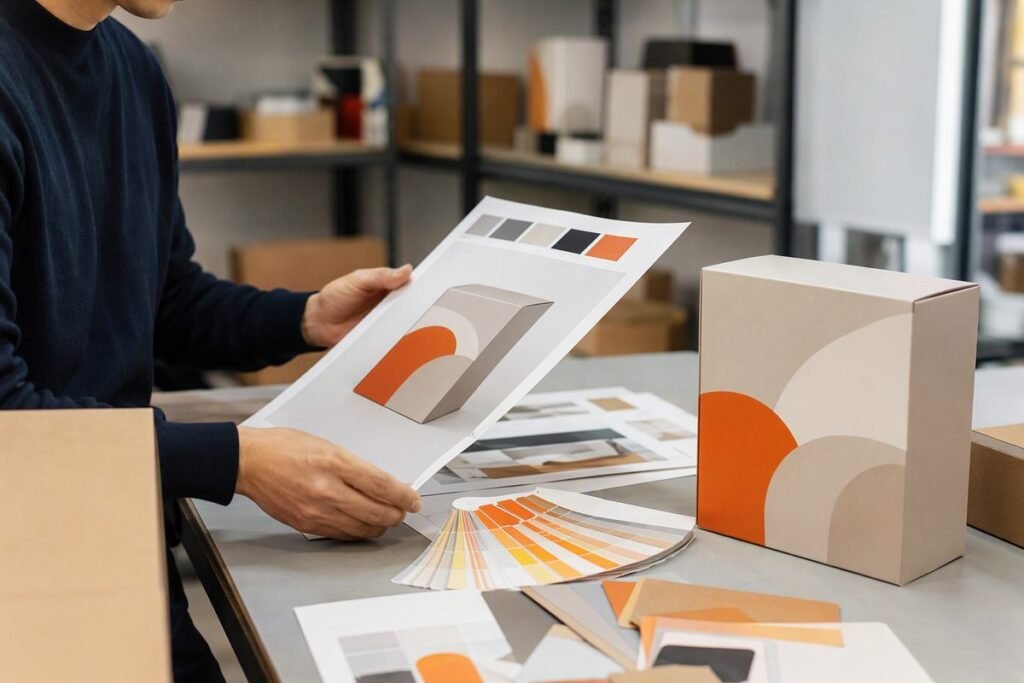
Upgrade from dropshipping to private label once you have a validated winning product with consistent daily sales. The proven path runs in stages: start with branded packaging on your existing product, then move to custom product modifications, and finally to full OEM manufacturing. The typical journey takes 2–4 months from decision to launch, and private label MOQs usually start in the hundreds of units — a serious commitment, but the payoff is higher margins, defensible branding, and an asset you actually own.
This guide covers when to make the move, the step-by-step process, realistic costs and timelines, and the mistakes that burn sellers during the transition.
When should you upgrade to private label?
Not every product deserves the private label treatment. Look for these signals:
- Consistent volume on one SKU. The product sells day after day without heavy discounting — a sign of real demand, not a fad spike.
- Margin pressure or copycats. Competitors are selling the identical generic product cheaper, and you are competing on price instead of brand.
- Repeat purchase potential. Products people buy again (consumables, refills, accessories) reward branding far more than one-time gadgets.
- Quality complaints you cannot fix. If the generic version’s quality caps your reviews, owning the specification is the only way up.
- You have cash flow. Private label ties up capital in MOQs and packaging — upgrade from strength, not desperation.
A common rule of thumb: when one product reliably drives the majority of a store doing dozens of orders daily, it is usually ready. Upgrading too early — on an unvalidated product — is the most expensive mistake in this process.
What is the step-by-step upgrade process?
Step 1. Validate the product (ongoing)
Confirm the winner with at least 60–90 days of stable sales data. Check return rates, review sentiment, and margin after all costs. A product with chronic quality complaints needs a specification fix, not just a logo — factor that into the plan.
Step 2. Define the brand
Decide what the brand stands for in one sentence, then translate it into a name, logo, color palette, and tone of voice. Keep it simple: most successful private label brands in dropshipping niches win on clarity and consistency, not elaborate design. Check trademark availability in your main markets before falling in love with a name.
Step 3. Design the packaging
Start here even before touching the product itself — branded packaging is the highest-ROI first step. Options typically include custom mailer boxes, thank-you cards, branded stickers, hang tags, and custom tape. Your fulfillment agent can usually show you physical samples and dielines; always approve a physical proof before committing to volume.
Step 4. Negotiate MOQs and specifications
With packaging approved, discuss product-level customization with the factory: colors, materials, small design tweaks, bundled accessories. MOQs for private label typically start in the hundreds of units per product — Bitus sets its MOQ per product, so for accurate numbers on yours, contact Bitus directly — and deeper customization (new molds, new formulations) raises both MOQ and lead time significantly. Get everything — specifications, materials, timelines, defect allowances — in writing.
Step 5. Order samples and lock QC
Never skip this step. Order production samples, not golden samples — units pulled from an actual production run. Test them exactly as a customer would, then define the QC checklist your fulfillment partner will enforce on every unit. This is where per-unit inspection pays for itself: the specification you approve here is the standard every future shipment is judged against.
Step 6. Launch and transition
Do not flip a switch overnight. Run branded and generic versions in parallel briefly, or transition listing by listing, so a production hiccup does not zero out your revenue. Update your listings with branded photography — packaging shots, unboxing imagery, lifestyle photos — because the brand premium only materializes if customers can see it.
Timeline and cost overview
| Stage | What happens | Typical timeline | Watch-outs |
|---|---|---|---|
| Validation | Confirm stable sales data | 60–90 days of data | Don’t upgrade fad spikes |
| Brand identity | Name, logo, trademark check | 2–4 weeks | Check trademark availability early |
| Packaging design | Dielines, proofs, samples | 3–6 weeks | Always approve physical proofs |
| Factory negotiation | Specs, MOQ, pricing in writing | 2–4 weeks | Get defect allowances in writing |
| Production samples | Test real production units | 2–4 weeks | Test as a customer would |
| First production run | Manufacture + QC + ship | 3–6 weeks | Inspect before final payment |
| Launch | New listings, branded creative | 2–3 weeks | Transition gradually, not overnight |
Total: roughly 2–4 months from decision to launch for packaging-level private label; longer for deep product customization. Costs vary widely, but budget for design work, packaging tooling and first print runs, the MOQ inventory itself, and a buffer for one round of fixes — most sellers underestimate the buffer.
What mistakes should you avoid?
Upgrading an unvalidated product. Private label amplifies whatever the product is. A winner becomes a brand; a fad becomes expensive inventory.
Ordering the full MOQ on day one. Negotiate a smaller first run if possible, or split the MOQ across two shipments. Your first production run is where misunderstandings surface — keep the exposure manageable.
Skipping the physical proof. Screen renders lie about colors, textures, and structural integrity. The few hundred dollars and two weeks for physical proofs are the cheapest insurance in the process.
Ignoring compliance. Cosmetics, electronics, children’s products, and food-contact items all carry labeling and certification requirements that vary by market. Research your category’s rules before manufacturing — a seized shipment is a total loss.
Forgetting the creative. A private label product with generic dropshipping photos captures none of the brand premium. Budget for branded photography and video as part of the launch, not as an afterthought.
How does Bitus help with the private label transition?
Bitus is built for exactly this upgrade path — many clients start on dropshipping from 5 orders per day and graduate to private label without changing partners. As a Shenzhen-based company next to the factories, Bitus manages the entire transition: custom boxes, thank-you cards, branded stickers, hang tags, and custom tape for the packaging stage, through to full OEM manufacturing for deeper customization.
Every client works with a named dedicated agent who coordinates factory communication, samples, and timelines in your timezone. Every production unit passes full quality inspection against your approved specification — not random sampling — before it ships. Sourcing quotes are free, there are no setup or monthly fees, and Amazon FBA prep is available if marketplaces are part of your brand plan. Explore Bitus private label and OEM.
FAQ
When is the right time to switch from dropshipping to private label? When one product shows 60–90 days of stable sales, you have healthy cash flow, and generic competition is compressing your margins. Upgrading from strength — not desperation — is the key timing rule.
How much does it cost to launch a private label product? It varies widely by category, but budget for brand design, packaging tooling and first print runs, the MOQ inventory itself (typically starting in the hundreds of units), and a buffer for one round of fixes. Get itemized quotes before committing.
What is the minimum order quantity for private label? MOQs typically start in the hundreds of units per product for packaging-level private label, and rise with deeper customization like new molds. Bitus’s private label MOQ depends on the product — for accurate numbers, please contact Bitus. Confirm exact MOQs with your fulfillment partner during negotiation.
Should I do private label on my first product? Usually not. Validate with generic dropshipping first — private label amplifies winners but turns unvalidated products into expensive inventory. The exception is when you already have proven demand data from elsewhere.
Can I keep dropshipping while building my private label? Yes, and you should. Keep the generic version running for cash flow while the branded version moves through sampling and production, then transition listings gradually once branded inventory is QC-approved and in hand.
Ready to turn your winner into a brand?
Send your product links to a Bitus agent for a private label assessment: packaging options, MOQ guidance, timelines, and a free sourcing quote. Start the conversation before you need it — the best transitions are planned, not rushed. Get a free quote.
Tell us what you sell — get a sourcing & fulfillment quote within one working day.